“I’ll try to bowl at 200 km/h” – Shaheen on Nahid Rana comparison

The Rise of Nahid Rana
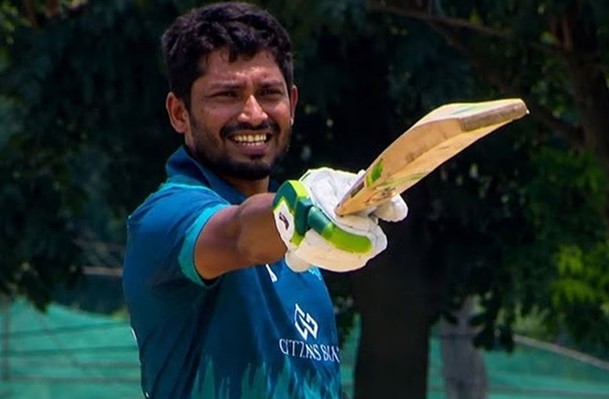
Bangladesh fast bowler Nahid Rana has rapidly ascended as one of the most exciting prospects in international cricket. His ability to generate raw, express pace has captivated audiences and experts worldwide, marking him as a talent to watch. Most recently, Rana played a pivotal role in Bangladesh’s impressive performances against Pakistan in both Test and ODI formats, proving that his speed is more than just a headline—it is a genuine threat to world-class batting lineups.
Before his international success, Rana made waves during his time in the Pakistan Super League (PSL), where his consistent ability to clock high speeds drew significant attention from the Pakistani cricketing fraternity. This sustained performance led to inevitable comparisons and discussions regarding pace management within the Pakistan national team.
Shaheen Afridi’s Perspective on Pace
Ahead of Pakistan’s high-stakes three-match ODI series against Australia, Pakistan skipper Shaheen Shah Afridi was asked to share his thoughts on the emergence of Nahid Rana. Given Pakistan’s storied history of producing legends like Wasim Akram, Waqar Younis, and the ‘Rawalpindi Express’ Shoaib Akhtar, the topic of pace is deeply ingrained in the nation’s sporting culture. However, Shaheen provided a grounded, professional perspective on what it takes to maintain such high speeds over the duration of a long and successful career.
The Reality of Fast Bowling Longevity
Addressing the media, Shaheen emphasized that raw speed is only one piece of the puzzle. “Bangladesh fast bowler Rana has only played seven or eight matches so far. When a machine keeps running over time, it naturally starts to wear down. Then you have to reload yourself, refresh your body and come back stronger. After taking proper rest, you need to give everything again on the field,” the captain explained. His comments highlight the physiological toll that extreme pace takes on a bowler’s body, especially when tasked with maintaining peak performance across multiple formats.
Workload Management and Future Strategy
The Pakistan captain noted that the national team is heavily focused on workload management to ensure the longevity of their pace battery. “We are trying to keep ourselves fresh and continue serving Pakistan with skill and commitment. Fast bowlers need to be managed properly if they are expected to play all three formats. Work is being done on this at the National Cricket Academy, and we are constantly working with the coaches,” Shaheen added. This systemic approach reflects a modern shift in cricket where injury prevention is prioritized alongside performance.
A Light-Hearted Conclusion
While the discussion on pace and biomechanics was serious, Shaheen ended the session on a jovial note. When prompted further about the comparison, he jokingly remarked, “I’ll try to bowl at 200 km/h for you all,” a comment that drew laughter and smiles from the gathered media, momentarily easing the tension ahead of the upcoming series against Australia.
Looking Ahead
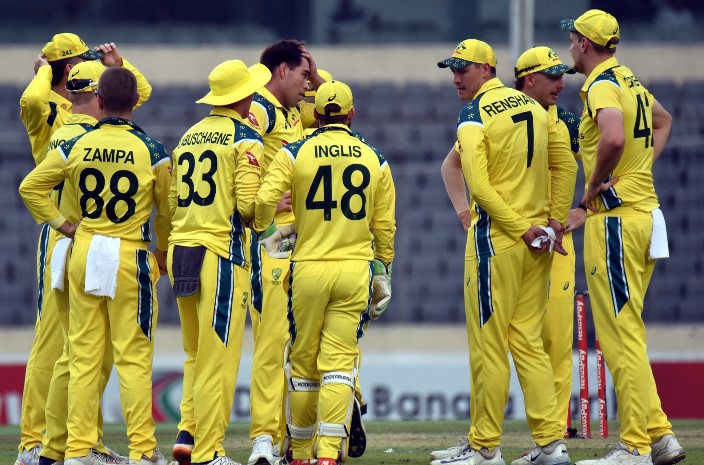
As the cricketing world watches, the Pakistan-Australia ODI series, which kicks off in Lahore on May 30, represents a new chapter for the home side. With Shaheen leading the charge, the focus will remain on high-level strategy and team performance. Whether or not we see 200 km/h deliveries, the commitment of these fast bowlers to their craft remains clear as they prepare to face one of the toughest teams in world cricket.