4,4,4,4! Pakistan’s Fatima Sana Brutally Insulted By West Indies Ahead Of T20 Wo – Fatima Sana Faces Tough Test as West Indies Dominate in Tri-Series
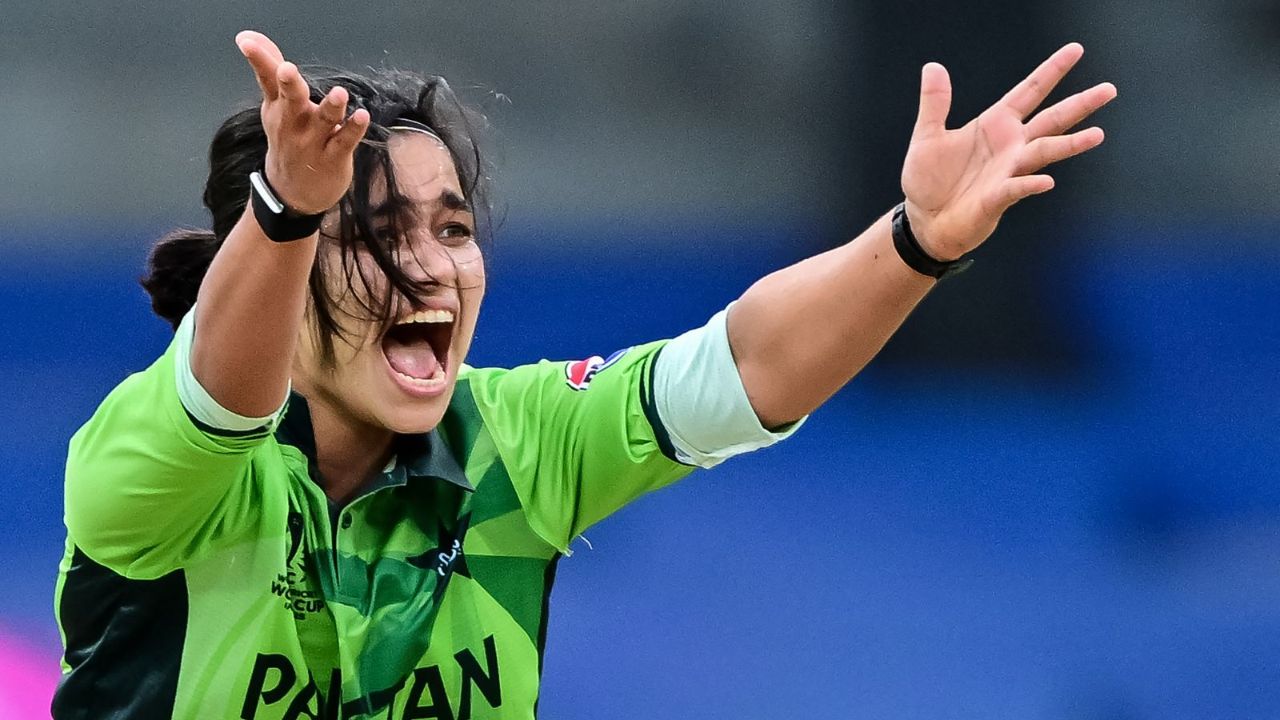
A Rough Day at the Office for Pakistan’s Skipper
In the second T20 of the IRE-W Tri-Series 2026, the cricket pitch turned into a hunting ground for the West Indies Women. After winning the toss and electing to bat first, the Windies set a blistering pace, with openers Hayley Matthews and Deandra Dottin taking control of the game early on. For Pakistan captain Fatima Sana, the match proved to be a difficult test as she bore the brunt of a relentless offensive from the opposition.
Sana’s spell of two overs resulted in 25 runs conceded without a wicket, as the West Indies raced to a commanding position of 66 for 3 in just eight overs. While her bowling partner Diana Baig also faced pressure, the clinical treatment handed out to the Pakistan skipper was the defining narrative of the first half of the innings.
Analyzing the Contrast: Recent Form vs. Current Reality
What makes this result particularly surprising is the high standard of performance Fatima Sana has maintained leading up to this tournament. Before this match, she had been a picture of consistency. During Pakistan’s tour of Zimbabwe in May 2026, Sana was instrumental with the ball, picking up five wickets in three T20 innings. Her economy rate of 6.98 and a strike rate of 9.00 were testament to her effectiveness.
Her standout performance in that series—a brilliant 3 for 7 in the first T20—highlighted her ability to dismantle batting lineups. Furthermore, her transition to the ODI format was equally impressive, where she claimed five wickets in two innings at a tight economy of 3.91. Given these statistics, the powerplay onslaught she faced against the West Indies serves as a stark reminder of the unpredictable and often brutal nature of T20 cricket, even for the most seasoned veterans.
The Breakdown: How the Onslaught Unfolded
The aggression began in the third over. With the West Indies already sitting at 20 runs for no loss after a high-scoring second over from Diana Baig, Sana was introduced to the attack. Deandra Dottin immediately seized the initiative. Sana, bowling over the wicket, offered width that Dottin flat-batted with ease, sending the ball racing past the mid-off fielder.
Hayley Matthews soon joined the fray, showcasing a masterclass in clean hitting. Whether it was length deliveries or low full tosses, Matthews found the gaps with precision. Sana attempted to adjust her lines, but the Windies’ openers were in an uncompromising mood. A flurry of boundaries—including thick edges flying to the third man region and aerial shots over square leg—meant that Sana’s first over leaked 15 runs. By the time her two-over spell concluded, her economy had climbed to 12.50, significantly shifting the momentum firmly into the hands of the West Indies.
Looking Ahead: Is the World Cup Campaign at Risk?
Despite this bruising passage of play, it would be premature to write off Fatima Sana as she prepares for the T20 World Cup 2026. As a genuine pace-bowling all-rounder, she remains a cornerstone of the Pakistan squad. Her ability to swing the new ball both ways provides Pakistan with the necessary early breakthroughs, while her clever slower-ball yorkers remain a vital tactical weapon during the death overs.
Beyond her bowling, Sana is a match-winner with the bat. Holding the record for the fastest Women’s T20I half-century off just 15 balls, she possesses the explosive power to change the complexion of any game. This dual-threat capability is exactly why she is such a valued asset to the team. While the thrashing at the hands of the West Indies will undoubtedly sting, elite athletes often use such moments as a catalyst for growth. Given her track record of resilience and technical skill, there is every reason to believe that Sana will bounce back with renewed vigor when the stakes are at their highest in the upcoming World Cup matches.