Ravindra Jadeja At No.4? The Tactical Thinking Behind RR’s Surprise IPL Playoffs – Ravindra Jadeja at No. 4: Decoding RR’s Tactical Masterstroke in IPL Qualifier 2
A Bold Move Under Pressure
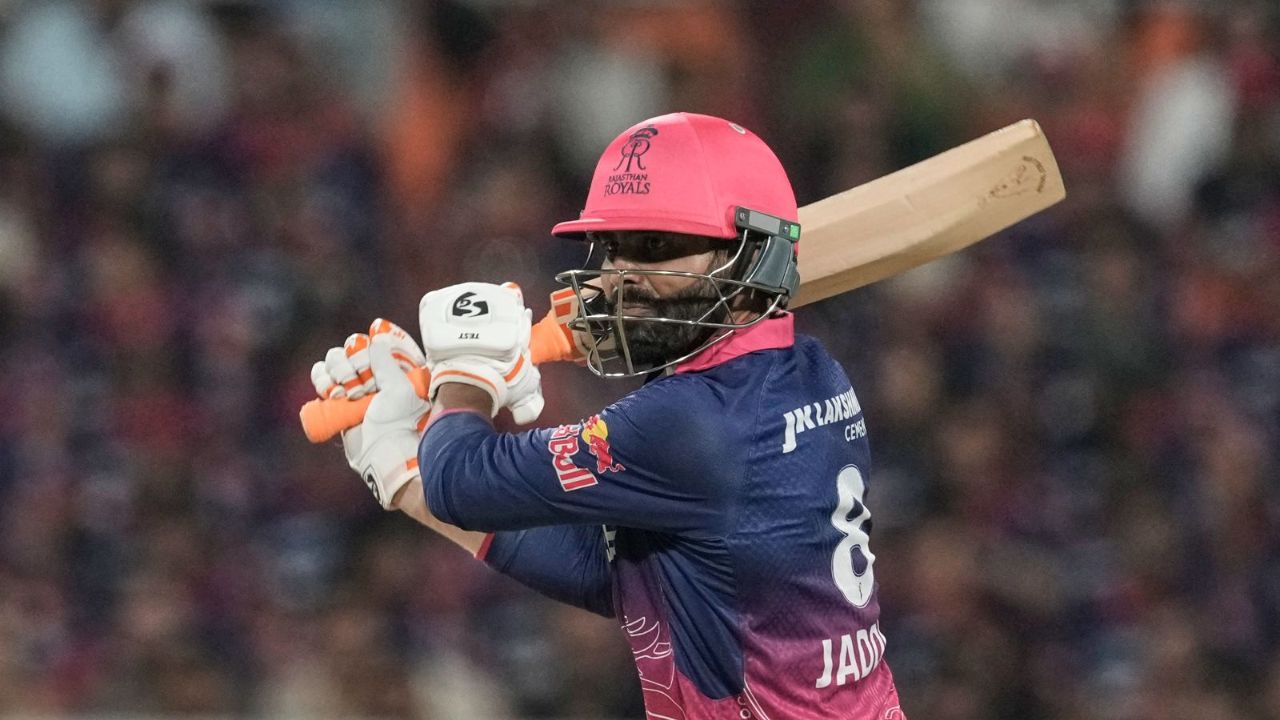
In the high-octane environment of an IPL Qualifier 2, every decision made by the team management is scrutinized under a microscope. Rajasthan Royals (RR) made one such move that caught everyone off guard: promoting Ravindra Jadeja to the No. 4 batting position inside the powerplay, leapfrogging captain Riyan Parag. As the veteran all-rounder walked out to the middle against the Gujarat Titans, social media and television commentary erupted with questions regarding the logic behind such an aggressive tactical shift.
The Statistical Case for Jadeja at No. 4
To understand why this was not merely a desperate gamble, one must look at the numbers. Ravindra Jadeja’s record when batting at the No. 4 spot is statistically robust, far beyond what many casual observers might realize. Prior to this match, Jadeja had amassed 414 runs in 15 innings at this position, boasting an impressive average of 41.4 and a strike rate of 140.82. These figures are elite for a middle-order player who is frequently thrust into high-pressure scenarios.
Furthermore, his highest score in this position—an unbeaten 77 off 45 balls—proves that he is more than capable of anchoring an innings while maintaining a high scoring rate. By deploying him in this role, the team management was utilizing a proven performer who thrives on the responsibility of stabilizing the ship when the top order fails.
Protecting the Captain: The Fitness Factor
One of the most critical aspects of this decision was the condition of the Rajasthan Royals skipper, Riyan Parag. With Yashasvi Jaiswal and Dhruv Jurel dismissed within the first two overs, the team was facing the tournament’s most lethal new-ball attack. Parag, currently battling fitness concerns, was shielding himself while fulfilling his duties as captain during this crucial knockout stage.
Sending a player who is not at 100% physical capacity to face a swinging, hard new ball is a recipe for disaster. By promoting Jadeja, the team management allowed the veteran to act as a buffer. Jadeja’s calmness and vast experience under pressure made him the ideal candidate to navigate the toughest phase of the innings, effectively shielding Parag from the most dangerous opening bowlers and allowing him to settle in during the middle overs where his strengths in rotating the strike and attacking spin can be better utilized.
The Floater Philosophy
The modern T20 game is defined by tactical flexibility. Teams have increasingly moved toward the concept of the ‘floater’—a batter capable of adjusting their game based on the match situation. We have seen similar tactics employed successfully by other franchises this season, where specific players are promoted to manage the tempo of the innings without sacrificing momentum.
Rajasthan Royals recognized that their innings was in a state of collapse. Had they sent another specialist middle-order batter, the risk of losing another quick wicket could have derailed their entire momentum. Instead, they relied on Jadeja’s versatility to absorb the pressure and build a partnership. This decision demonstrates a sophisticated level of tactical planning that prioritizes match context over rigid batting orders.
Final Assessment
While the decision to promote Ravindra Jadeja to No. 4 might have seemed unusual to those accustomed to traditional lineups, it was rooted in clear cricketing logic. By leveraging Jadeja’s excellent track record at that position and simultaneously protecting a physically compromised captain, the Rajasthan Royals management displayed a proactive approach to solving an immediate crisis on the field. In the volatile world of IPL playoffs, such calculated risks are often what separate the contenders from the rest of the field, proving that there is always a method to the madness in professional cricket.