Virat Kohli’s 1 Billion Move Curbed For All Cricketers By BCCI Anti Corruption – BCCI Cracks Down on Smart Glasses: New IPL 2026 Integrity Rules
A New Era of Strict Security in the IPL
As the Indian Premier League (IPL) continues to evolve into a global sporting powerhouse, the Board of Control for Cricket in India (BCCI) is ensuring that the integrity of the sport remains uncompromised. In a significant move during the 2026 season, the Anti-Corruption and Security Unit (ACSU) has issued a directive that prohibits players and support staff from wearing smart glasses or any advanced eyewear equipped with recording and communication technology in restricted match-day areas.
The Intersection of Technology and Cricket
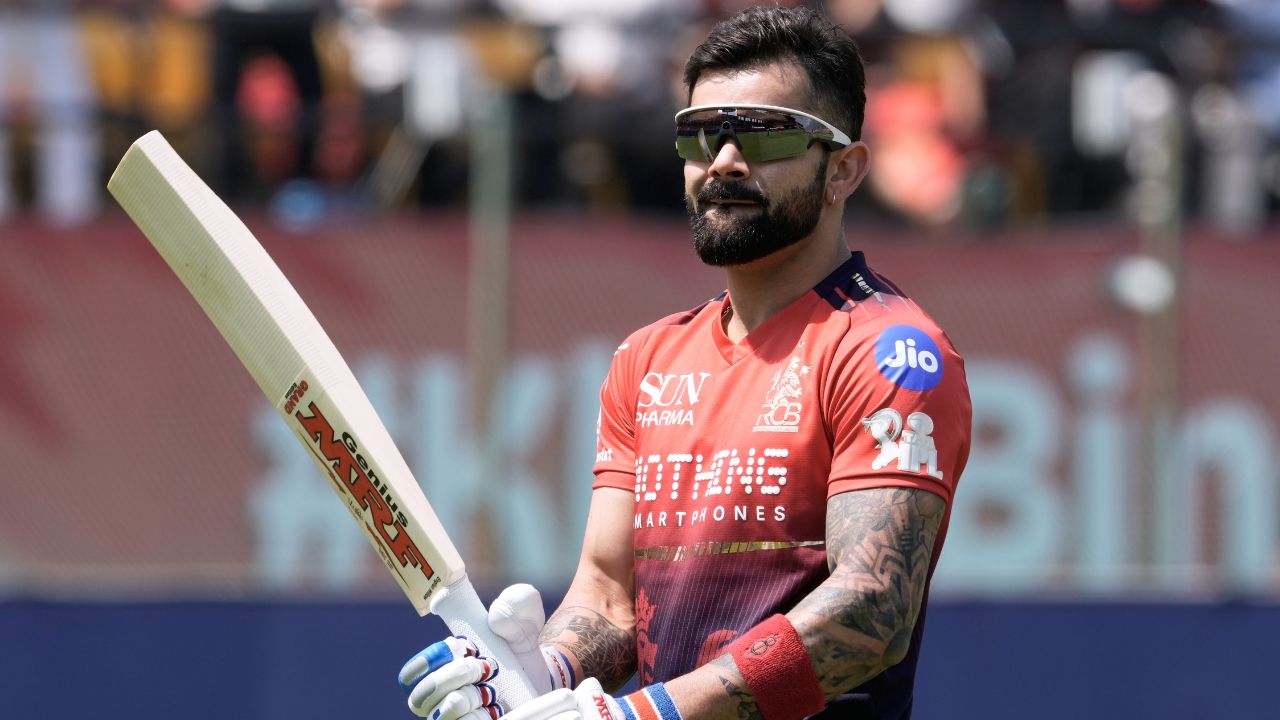
This development has drawn considerable attention, particularly following a high-profile marketing campaign featuring star batter Virat Kohli. Recently, Oakley partnered with Meta Platforms to introduce AI-powered smart glasses to the Indian market. The promotional content, which showcased Kohli’s rigorous training regimes and personal match preparation, garnered massive engagement, reaching over a billion views and millions of likes. Kohli was frequently spotted wearing these devices during practice sessions, highlighting their potential impact on the cricket landscape.
However, the BCCI has moved quickly to delineate the boundary between promotional activity and match-day regulation. The ACSU expressed growing concern that such devices, while innovative, pose tangible risks to the fairness of the competition.
Why Are Smart Glasses Considered a Threat?
According to reports, the ACSU alerted IPL franchises that smart eyewear—ranging from sunglasses to specialized goggles—can now function as sophisticated communication tools. These devices are capable of live-streaming footage, sending text messages, and initiating audio or video calls via Wi-Fi or mobile networks. Because these functions occur covertly, they represent a significant challenge to the league’s security protocols.
The BCCI has officially classified these wearable items as both “Audio/Video Recording Devices” and “Communication Devices.” Consequently, they now fall under the strict jurisdiction of the Player and Match Officials Area (PMOA) rules, which are designed to keep the playing environment free from outside influence.
Learning From Past Incidents
The decision to tighten these rules did not emerge in a vacuum. Recent controversies within the 2026 season have highlighted the need for more rigid enforcement. For example, Rajasthan Royals team manager Romi Bhinder faced a fine of Rs 1 lakh for utilizing a mobile phone in the dugout during a live match. Such incidents have served as a catalyst for the ACSU to adopt a zero-tolerance approach toward unauthorized technology in restricted zones.
What the New Guidelines Mean for Players
Under the updated mandate, the process for entering restricted zones on match days is now more rigorous. Players and support staff are required to:
- Surrender all smart glasses, mobile phones, and smartwatches before entering designated zones.
- Deposit these items with the assigned Security Liaison Officer.
- Adhere to strict PMOA protocols to avoid potential disciplinary action.
The advisory issued by the authorities is clear: as wearable technology becomes increasingly sophisticated, the risk of covert communication methods grows. The BCCI’s decisive action underscores a commitment to staying ahead of these integrity risks, ensuring that the spectacle of the IPL is defined by athletic performance rather than technological interference.
By prioritizing these security measures, the BCCI aims to maintain the sanctity of the game, keeping the focus squarely on the competitive spirit of cricket. As the season progresses, it remains evident that for the BCCI, protecting the integrity of the tournament is the ultimate priority.