BCCI Declines Intervention in IPL Player Workload Amid Injury Concerns
The BCCI Stance on IPL Workload Management
The Board of Control for Cricket in India (BCCI) has officially ruled out the possibility of the national governing body stepping in to dictate or limit the bowling workloads of players currently participating in the Indian Premier League (IPL). This clarification comes from BCCI Secretary Devajit Saikia, following a period of heightened scrutiny regarding the fitness of several key Indian bowlers.
As the IPL season progresses, the conversation surrounding player fatigue and injury management has intensified. Several high-profile cricketers representing their respective franchises have been observed competing despite visible physical ailments, sparking a debate on whether the BCCI should exert more control over how franchises utilize centrally contracted players.
The Varun Chakravarthy Case and Broader Concerns
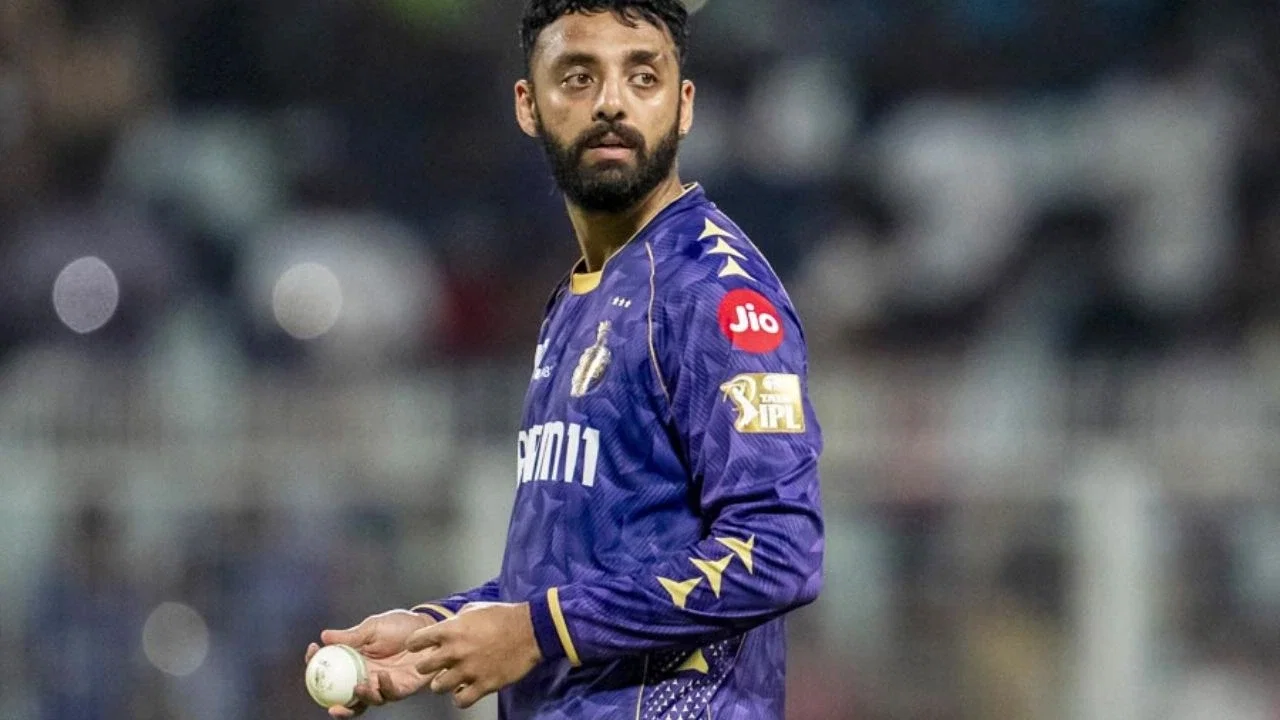
The most recent focal point of this controversy is Kolkata Knight Riders (KKR) spinner Varun Chakravarthy. Reports indicate that Chakravarthy has been managing a hairline fracture in his left toe. The injury reportedly occurred during a match against the Sunrisers Hyderabad on May 3—a game in which he was awarded Player of the Match honors. Despite the injury, Chakravarthy continued to play, missing only the fixture against Royal Challengers Bengaluru on May 13. Observations of the spinner limping have led to public questioning regarding the long-term implications of playing through such injuries.
Chakravarthy is not an isolated case. Earlier in the tournament, Punjab Kings’ Head of Sports Science, Andrew Leipus, noted that pace bowler Arshdeep Singh was struggling with physical restrictions that impacted his consistency. Furthermore, Mumbai Indians Head Coach Mahela Jayawardene disclosed that star pacer Jasprit Bumrah had been managing a niggle, which emerged following the T20 World Cup, a factor that potentially contributed to a brief wicketless streak for the bowler early in the tournament.
BCCI Clarifies Administrative Boundaries
In a discussion regarding these developments, BCCI Secretary Devajit Saikia emphasized the administrative boundaries between the Board and the IPL franchises. While the BCCI maintains oversight of its players through the Centre of Excellence (CoE), Saikia explained that the board cannot override the decisions of franchise management during the tournament.
“We can’t interfere in the functioning of the franchises by trying to control player workload and fitness in the IPL,” Saikia stated. He clarified that while there is a system of monitoring in place, the franchises possess the operational autonomy to manage their squads. However, Saikia offered a crucial caveat: while the BCCI grants franchises freedom during the IPL, national selection remains strictly tethered to fitness standards.
Fitness as a Selection Benchmark
The BCCI’s commitment to fitness is evident in recent team selections. Following the announcement of the squads for the upcoming Test and ODI series against Afghanistan, it is clear that the selectors are prioritizing physical readiness over reputation. Notable exclusions highlight this trend:
- Ravindra Jadeja: After missing matches for the Rajasthan Royals, Jadeja was excluded from the current squads due to fitness concerns.
- Mohammed Shami: The pacer was left out of the squad as selectors were not convinced of his capacity to bowl sustained spells beyond a four-over limit.
- Rohit Sharma and Hardik Pandya: Despite recent injury struggles during IPL 2026, both players have been included in the ODI squad, though their participation remains subject to passing fitness clearances.
By maintaining this dual approach—allowing franchises the independence to manage their internal workload while imposing rigorous physical requirements for international duty—the BCCI aims to balance the commercial demands of the IPL with the long-term health and availability of the Indian national team’s roster. The onus, therefore, currently rests on both the franchises to manage their assets responsibly and the players to prioritize their careers beyond the immediate IPL season.