India’s Opening Pair Options for 2027 World Cup: Planning Beyond Rohit Sharma
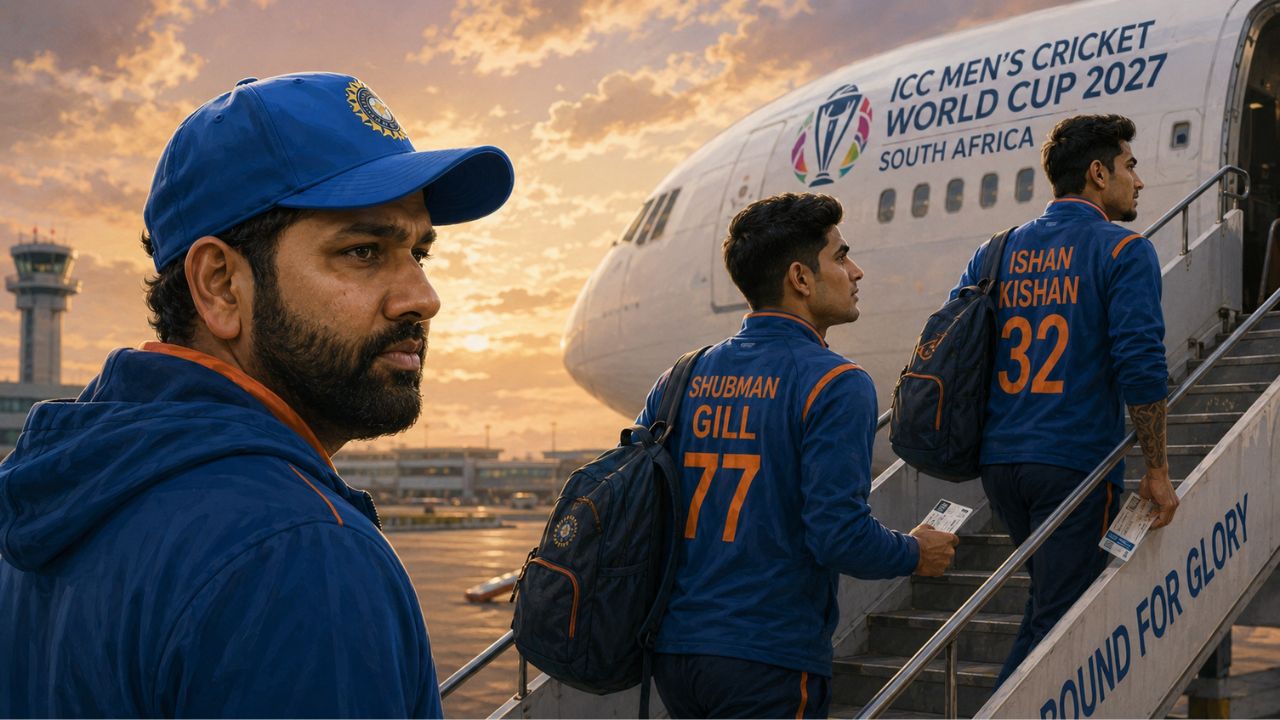
Looking Toward the 2027 Horizon
Preparation for the 2027 World Cup is officially underway, and the most critical conversation within the Indian dressing room revolves around the opening combination. While Rohit Sharma remains a monumental figure in Indian cricket and is currently slated for upcoming assignments, the reality of international scheduling and player longevity is at the forefront of the selectors’ minds. At 39, the challenge of managing a heavy workload throughout a grueling mega-tournament is significant, prompting the team management to look ahead.
The current selection cycle is pivotal. With a finite number of ODI matches remaining before the World Cup, every game serves as a vital trial for the next generation of talent. If the team decides to move in a different direction, several exciting duos have already showcased the potential to anchor India’s innings.
1. The Dynamic Duo: Ishan Kishan and Shubman Gill
The combination of Ishan Kishan and Shubman Gill stands out as an incredibly balanced prospect. Their left-right batting dynamic creates natural disruptions for opposing bowlers, making them a nightmare to set fields against. Ishan Kishan has firmly re-established himself in the ODI landscape, fueled by a stellar run of form across all white-ball formats.
Kishan’s statistics tell a compelling story. During the 2026 IPL season, he accumulated 490 runs in just 13 innings, demonstrating a fearless approach. His T20 World Cup performance further cemented his status as an impact player, finishing as the fourth-highest run-scorer with 317 runs at a staggering strike rate of 193.29. Domestic dominance, including a strike rate nearing 200 in the SMAT 2025, proves he is ready for the biggest stage. With an ODI average of 42.40 and a proven history of success with Gill, this pair is a high-reward option.
2. Technical Precision: Shubman Gill and Ruturaj Gaikwad
For those favoring technical solidity and classical stroke play, the pairing of Shubman Gill and Ruturaj Gaikwad offers a more measured, yet equally dangerous alternative. Gaikwad is defined by his ability to construct innings and his composure under intense pressure. His century against South Africa (105 off 83 balls) was a masterclass in timing and placement.
Gaikwad’s consistency in the Vijay Hazare Trophy—scoring 412 runs in seven innings at a strike rate of 115.04—highlights his suitability for the 50-over format. When paired with Gill, the duo provides a foundation of stability that can weather early collapses and build massive totals. In their limited international appearances together, they have already shown a glimpse of their potential synergy.
3. The Future Force: Shubman Gill and Yashasvi Jaiswal
Perhaps the most electrifying prospect for Indian fans is the combination of Shubman Gill and Yashasvi Jaiswal. Both are young, fearless, and possess the modern technical arsenal required to dominate international attacks. Jaiswal, in particular, has displayed an incredible appetite for runs, underscored by his unbeaten 116 off 121 balls in just his third ODI.
Jaiswal’s aggressive mindset acts as the perfect foil for Gill’s elegant, calculated batting. This pairing represents the next generation of Indian cricket, with the potential to serve as the team’s cornerstone for years to come. By prioritizing explosive starts and high-pressure management, Gill and Jaiswal could redefine how India approaches the powerplay in the coming years.
Conclusion
While the leadership of Rohit Sharma has defined a golden era, the strategic necessity of planning for the 2027 World Cup is absolute. Whether the selectors opt for the left-handed aggression of Kishan, the classical poise of Gaikwad, or the youthful ambition of Jaiswal, the talent pool available to India is deeper than ever. The upcoming matches will be the ultimate testing ground for these pairs as they stake their claim for the opening slots on the world’s biggest stage.