Security Alert: Gunshots Fired at Cricket Canada President’s Home Amid ICC Suspension
A Troubling Turn of Events for Canadian Cricket
The sport of cricket is currently reeling from a series of alarming developments regarding the governing body in Canada. Following a disastrous T20 World Cup campaign in India, Cricket Canada has found itself embroiled in a web of controversy, ranging from administrative turmoil to serious allegations of match-fixing. The situation has now taken a dangerous turn, with reports of gunfire outside the residence of the board president.
Security Breach at the President’s Residence
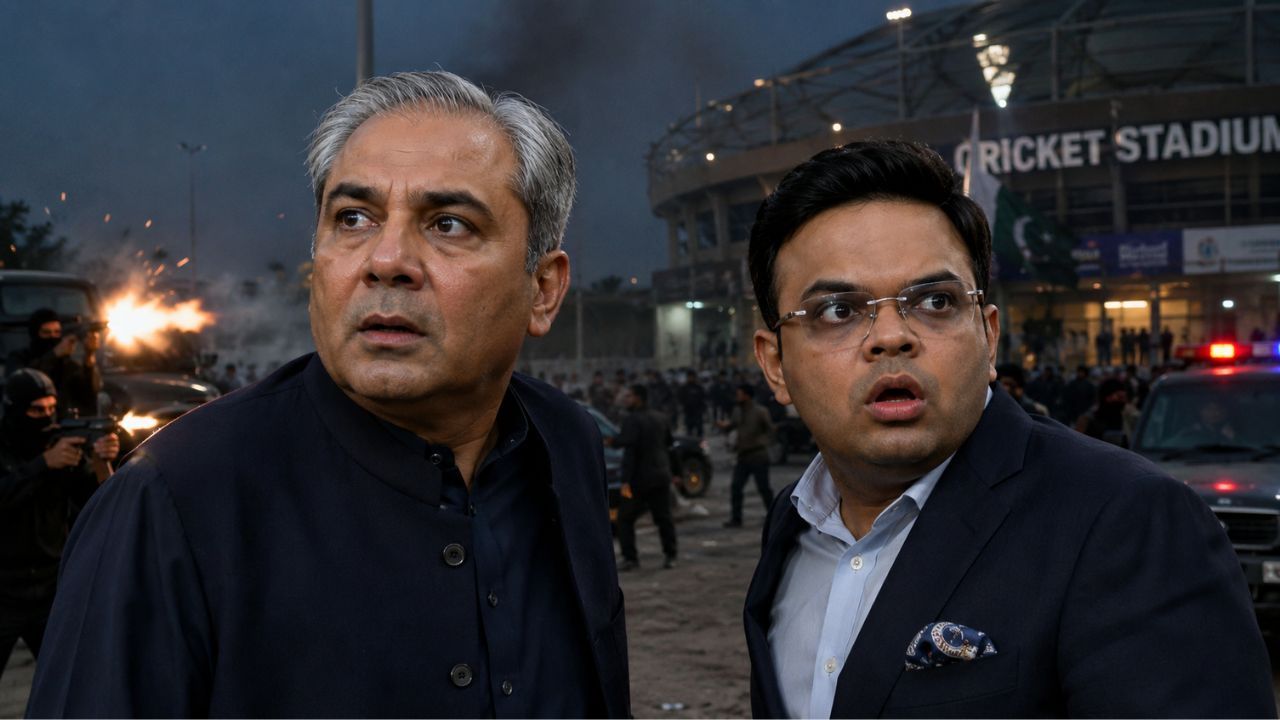
In the early hours of Wednesday, May 20, the residence of Cricket Canada President Arvinder Khosa in Surrey, British Columbia, became the site of a violent incident. At approximately 4:40 AM local time, several gunshots were fired at the property. While it is fortunate that no injuries were reported, the physical damage to the doors and windows of the house indicates a targeted attack, with initial police reports suggesting approximately five bullets were fired.
Surrey Police have launched a formal investigation into the matter. Sergeant Ali Gailus, in a statement provided to The Fifth Estate, indicated that the shooting appears to be linked to extortion. “An individual associated to the residence that was shot this morning has received extortion-related threats,” Gailus confirmed. This event has sparked widespread concern regarding the safety of cricket players and officials associated with the Canadian board during what is undeniably the most turbulent period in the organization’s history.
The Shadow of Match-Fixing Allegations
The security incident cannot be viewed in isolation. It follows a compelling and concerning exposé by The Fifth Estate, which shed light on deep-seated issues within the national team. The documentary suggested that the International Cricket Council’s (ICC) Anti-Corruption Unit (ACU) had been investigating the match between New Zealand and Canada during the T20 World Cup due to suspicious patterns.
At the center of these allegations is the team’s captain for the competition, 23-year-old Dilpreet Bajwa. Questions were raised about his influence on team selection and batting lineups, which appeared to be dictated by external forces. Following the match against New Zealand in Chennai, Bajwa was summoned by the ACU for questioning. The scrutiny intensified after a questionable tactical decision saw Bajwa bowl the 5th over of the innings—a move that resulted in 15 runs being conceded and a no-ball, shocking observers and fans alike.
Administrative Turmoil and ICC Intervention
The instability within the board is significant. Arvinder Khosa, who took up an interim role in April, was officially elected as president on May 9. His tenure began amidst a storm, and just one week later, the ICC officially suspended Cricket Canada. This suspension has placed immense pressure on the new administration to salvage the reputation of the sport in the country.
The T20 World Cup campaign itself was marked by stark contrasts. While players like Yuvraj Samra provided moments of brilliance, such as his century against New Zealand, the team ultimately failed to secure a victory. With four consecutive losses to South Africa, the UAE, New Zealand, and Afghanistan, Canada finished the tournament as one of only three teams to remain winless. This poor performance on the pitch, combined with the ongoing investigations into corruption and the recent reports of violence targeting the board leadership, leaves the future of cricket in Canada in a state of deep uncertainty.
Looking Ahead
As authorities continue to investigate the extortion-related shooting, the global cricketing community remains watchful. The integration of organized crime interests into the sport, as suggested in reports involving the Lawrence Bishnoi group, represents an unprecedented threat to the integrity and safety of cricket. For now, the focus remains on ensuring the safety of those involved while the ICC and local law enforcement work to untangle the complex web of administrative and criminal issues plaguing the organization.