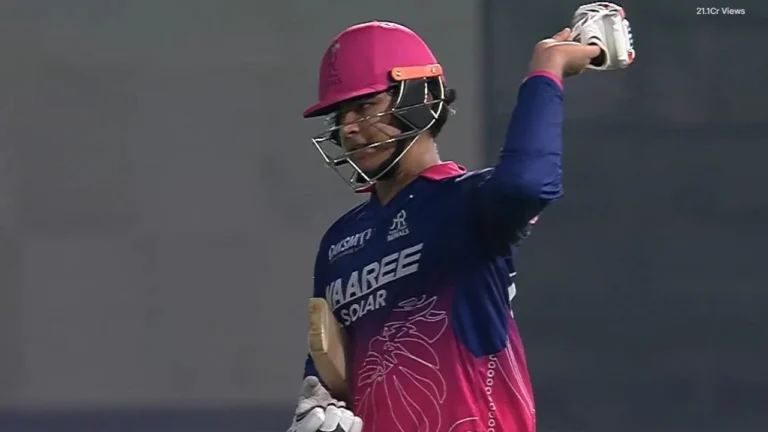
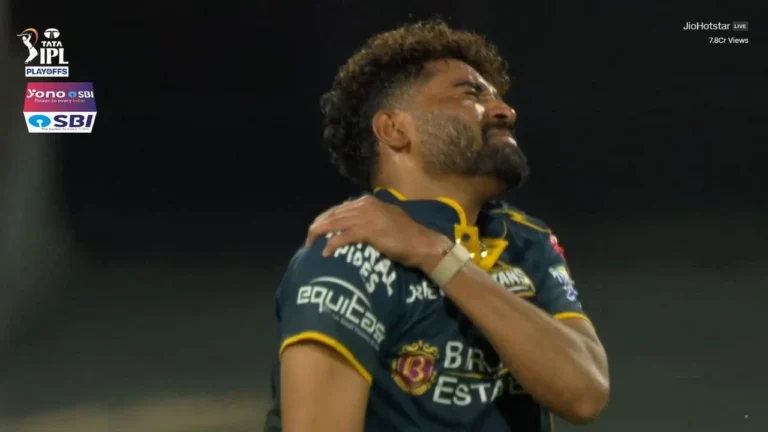
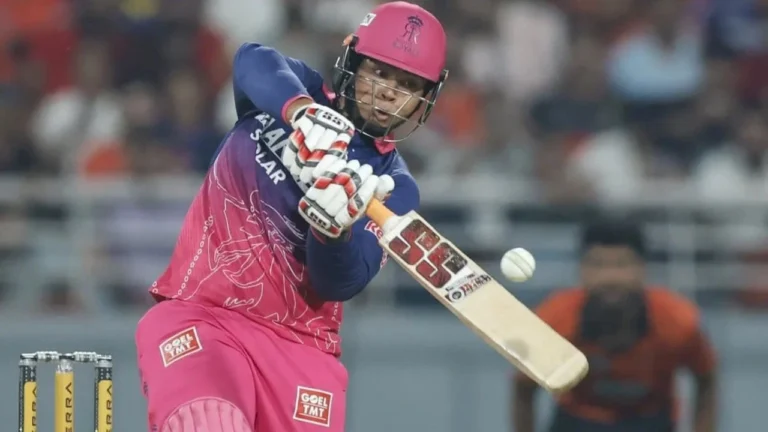
Fakhar Zaman and Saim Ayub Ruled Out of Pakistan vs Australia ODI Series
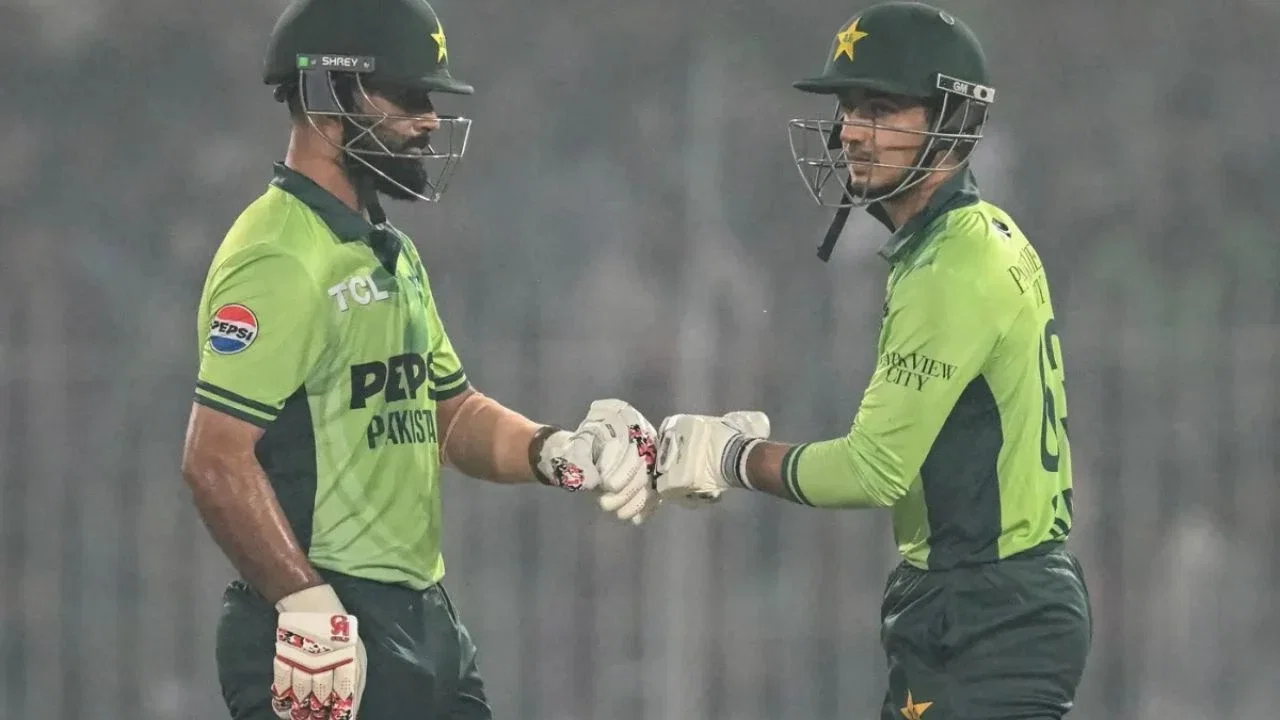
A Major Hurdle for the Pakistan Cricket Team
The Pakistan national cricket team is currently navigating a period of profound uncertainty, struggling to find stability across all three formats of the international game. With the shadows of disappointing exits from major ICC white-ball tournaments—including the World Cup 2023 and the subsequent T20 World Cups of 2024 and 2026—still looming large, the pressure is mounting on the leadership and the squad to revitalize their performances.
Adding to these challenges, the team has faced significant hurdles in the Test arena. Despite a promising start to their World Test Championship (WTC) campaign, the Shan Masood-led side has faltered in recent encounters, suffering three consecutive defeats against formidable opponents like South Africa and Bangladesh. As the squad prepares to host Australia for an upcoming ODI series, the stakes could not be higher. This series is being viewed as a critical building block for Pakistan’s 2027 ICC World Cup roadmap, especially following their early elimination from the 2025 ICC Champions Trophy, where they failed to secure a single victory on home soil.
Injury Setbacks for Key Batters
Compounding these difficulties, senior sports journalist Ejaz Wasim Bakhri has confirmed that two vital players, Fakhar Zaman and Saim Ayub, will not be available for selection for the upcoming ODI series against the Australians. Both players are currently undergoing rehabilitation processes to recover from their respective injuries, effectively removing them from contention at a time when Pakistan desperately needs its top-order strength.
Fakhar Zaman, who demonstrated glimpses of his immense talent during the ICC T20 World Cup 2026, has been a central figure in Pakistan’s white-ball plans. His absence is particularly felt given his form in the 2026 Pakistan Super League (PSL), where he represented the Lahore Qalandars. During his eight-match stint in the league, Zaman was in scintillating form, amassing 401 runs at an impressive average of 57.28 and a strike rate of 151.89. His campaign, which included a century and four half-centuries, underscored his importance to the team’s batting structure.
Saim Ayub, the 23-year-old prospect, represents a different kind of challenge. While his contributions with the bat in the 2026 PSL season—playing for the Hyderabad Kingsmen—were modest, yielding only 258 runs across 13 innings at an average of 21.50 and a strike rate of 119.44, his utility as an all-rounder became a talking point. Ayub managed to claim six wickets throughout the tournament, playing a tactical role in helping his team reach the finals. His absence deprives the side of a flexible option that balances both the bat and the ball.
Looking Ahead to the Australia Series
Australia, having already participated in a three-match T20I series in Pakistan earlier, remains a constant fixture on the Asian cricketing calendar. Many Australian players have kept their form sharp through active participation in both the IPL and the PSL. The upcoming ODI series is scheduled to commence on May 30, 2026, with subsequent matches to follow on June 2 and June 4. This high-profile series serves as a litmus test for the Australian side before they head off for engagements against Bangladesh and a return to red-ball cricket.
For Pakistan, the challenge will be to reorganize their batting order and find depth in the absence of two of their most discussed players. With the 2027 World Cup firmly in the crosshairs, the management must look toward their bench strength to fill the void. The coming matches will determine whether the current roster can overcome these setbacks and build the momentum required to compete against a world-class Australian unit on home turf.
As the cricketing world turns its attention to this series, the focus will inevitably shift toward how Pakistan’s selectors address these gaps. Whether through the inclusion of rising domestic talent or shifting the tactical approach of the current squad, the path forward remains demanding. The upcoming matches will be essential for gauging the true potential of this team as they look to leave behind a string of underwhelming results and aim for a stronger, more consistent identity in the 50-over format.