Ajit Agarkar Breaks Silence on Vaibhav Sooryavanshi’s Absence from Afghanistan Series
A New Era of Selection: The Afghanistan Series
The landscape of Indian cricket is undergoing a significant transition, as evidenced by the recent squad announcements for the upcoming one-off Test and three-match ODI series against Afghanistan. The senior men’s selection committee, led by Ajit Agarkar, has delivered a series of roster changes that have set the cricketing fraternity buzzing with debate. While veteran mainstays remain, the focus has shifted toward balancing experience with the emerging talent that dominated the recent IPL 2026 season.
The Omissions and Surprises
Perhaps the most significant talking point is the restructuring of leadership and personnel. In a move that caught many off guard, Rishabh Pant has been removed from his position as vice-captain of the Test team and left out of the ODI squad entirely. KL Rahul and Ishan Kishan are set to step into these crucial roles, signaling a strategic pivot in the selection panel’s approach. Furthermore, the exclusion of Axar Patel from the Test squad and the decision to rest stalwarts Jasprit Bumrah and Ravindra Jadeja underscores the management’s emphasis on workload management and rotation.
Conversely, the selectors have rewarded domestic and IPL form by handing maiden call-ups to several promising youngsters. Pacer Prince Yadav has earned a spot in the ODI setup, while left-arm spinner Manav Suthar joins the Test squad. Additionally, Gurnoor Brar and Harsh Dubey have been included in both squads, reflecting the committee’s desire to test depth in various formats.
The Vaibhav Sooryavanshi Question
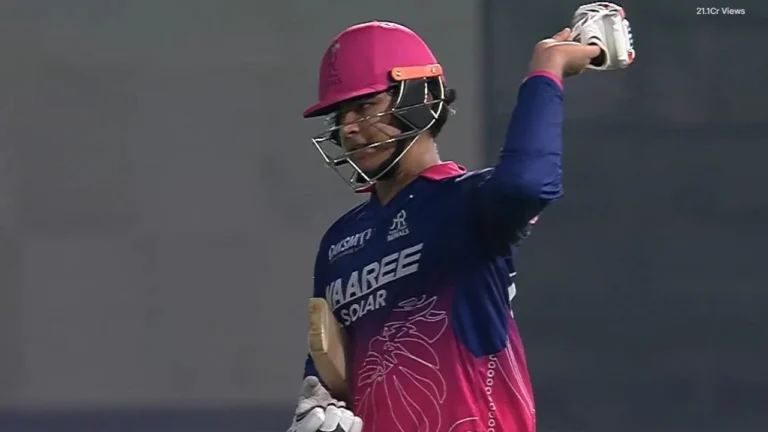
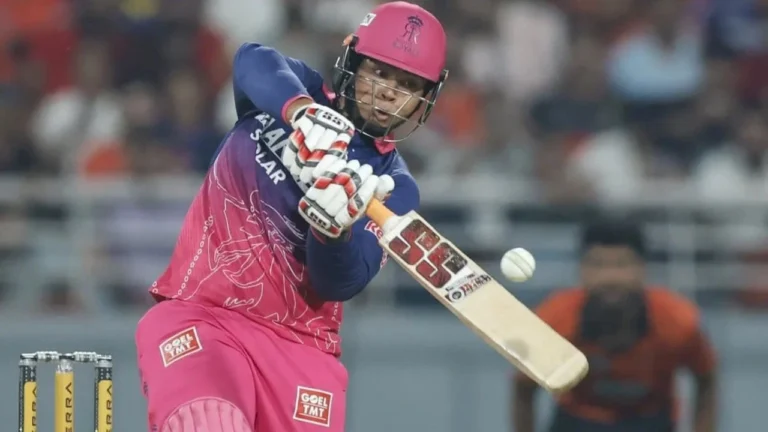
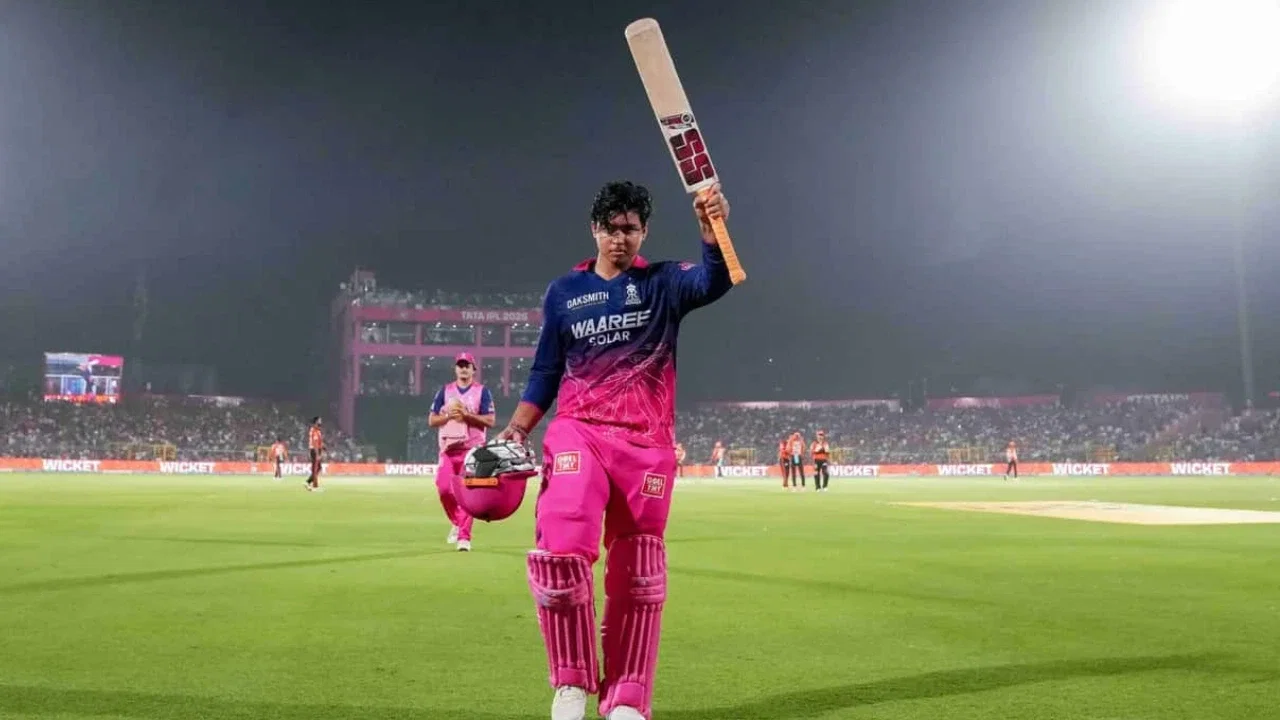
Despite the influx of new talent, the conspicuous absence of 15-year-old sensation Vaibhav Sooryavanshi from the national squad has sparked intense public discussion. Since his breakthrough in the 2025 IPL and his explosive performances throughout the 2026 season with the Rajasthan Royals, Sooryavanshi has been heralded as the next big thing in Indian cricket. However, the selectors have opted for a more cautious path regarding his integration into the senior side.
Addressing the media after the squad announcement, Ajit Agarkar provided much-needed clarity on the youngster’s development trajectory. When asked about the omission of the prodigy, Agarkar emphasized the importance of established performance and the current hierarchy of openers.
Agarkar’s Rationale
“Vaibhav Sooryavanshi has done well, but let’s not forget Yashasvi Jaiswal. As impressive as he is, Jaiswal has done well,” Agarkar stated during the press briefing. The selector’s comments suggest that the panel is prioritising players who have already proven their mettle at the international level, such as Jaiswal, while ensuring that younger talents like Sooryavanshi receive consistent exposure through the A-team structure.
Agarkar added, “Vaibhav has done well to get to the A team, hope he does well there.” This statement implies that the BCCI is following a structured progression plan. Rather than rushing the teenager into the high-pressure environment of the senior national team, the management seems intent on seasoning his skills within the A-team environment, where he can refine his game against top-tier competitive opposition.
What Lies Ahead
The decision to leave Sooryavanshi out is clearly one rooted in patience rather than a lack of belief in his potential. By allowing the 15-year-old to continue his development away from the immediate glare of senior international cricket, the selectors are likely protecting him from the immense weight of expectation that often comes with early stardom. For the fans who were clamoring for his inclusion, it appears to be a case of ‘wait and see.’ As the Indian team looks toward the future, the progression of young talents like Sooryavanshi will remain a top priority, provided they continue to demonstrate consistency at the domestic and A-team levels.
The upcoming Afghanistan series serves as a critical period for India to test its bench strength and solidify its core for future challenges. Whether the selectors’ strategy of slow-tracking the youngsters pays off remains to be seen, but for now, the message from the selection panel is one of stability and methodical development.