Why Pakistan’s Pace Attack Is Declining: Umar Gul Weighs In
A Legacy of Speed Under Pressure
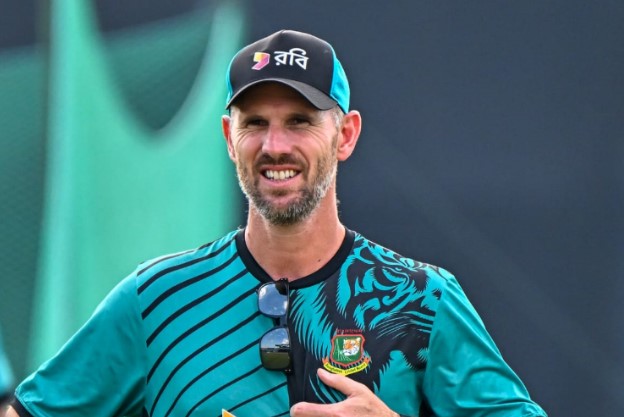
For decades, Pakistan was synonymous with raw, terrifying pace. From the swing mastery of Wasim Akram to the searing yorkers of Waqar Younis and the record-breaking speed of Shoaib Akhtar, the nation served as the world’s factory for fast-bowling talent. However, the current landscape looks significantly different. Fans and pundits alike have noted a troubling trend: Pakistan’s current crop of fast bowlers is struggling to consistently clock speeds above 135 kph. As scrutiny mounts, former fast bowler and current coach Umar Gul has stepped forward to provide much-needed context on this decline.
The Bangladesh Challenge and the Factor of Luck
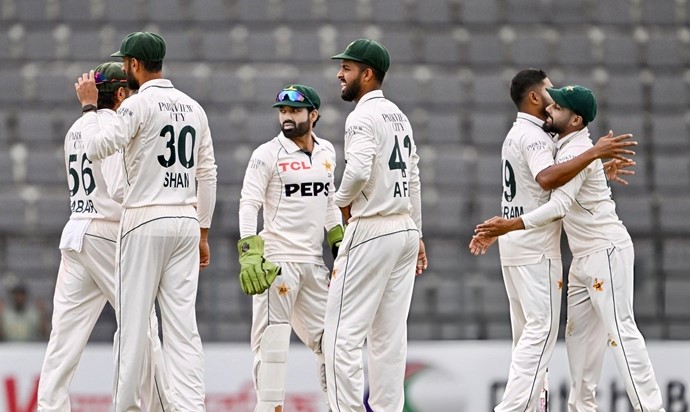
Addressing the recent series against Bangladesh, Gul argues that the perception of poor bowling performance must be nuanced. He insists that it is not merely a technical failure of the bowlers but rather a combination of high-quality opposition batting and a lack of fortune. According to Gul, the Bangladeshi batters executed their plans with clinical precision, capitalizing on moments where Pakistan was simply outplayed.
“Bangladeshi batters have batted really well,” Gul noted. “In some moments we were unlucky. We missed chances in reviews and couldn’t get Litton Das out. But that’s part of cricket. Sometimes luck is on your side, sometimes it isn’t. The bowlers tried hard, but the results didn’t go our way.”
Red-Ball Rhythm: The Missing Link
When confronted with the specific question of why the pace gun isn’t hitting the heights it once did, Gul pushed back against the narrative of a terminal decline. He emphasized that the issue is not a loss of raw talent, but a struggle to adapt to the rigors of red-ball cricket. He points to the success of these same bowlers in shorter formats, such as the Pakistan Super League (PSL) and ODIs, where they regularly clock in at 140 kph.
“We still have bowlers who can bowl 140 kph in PSL and ODI cricket,” Gul explained. “But in red-ball cricket, the pace drops a bit. We don’t play enough Test cricket these days. Because of that, bowling muscles and bowling memory don’t develop properly. Both mental and physical preparation are important. The bowlers have given everything, they are bowling long spells.”
Scheduling and the Rust of Inactivity
A significant portion of the struggle, according to Gul, stems from long gaps in the Test cricket calendar. With the team not having played a red-ball match since October, the rhythm required to maintain high speed over long spells has naturally dissipated. Returning to the longest format after a six-month hiatus creates a jarring transition for any athlete.
Furthermore, external factors like extreme heat and humidity, particularly during training camps in Karachi, have taken a toll on the bowlers’ physical output. Gul acknowledged that while the effort remains high, the physiological demand of maintaining pace in sweltering conditions while lacking match fitness is a recipe for a dip in velocity.
The Need for Better Preparation
Looking toward the future, Gul candidly admitted that the preparation phase was far from ideal. Ideally, a team should engage in multiple red-ball practice matches before embarking on an international tour. However, the constraints of a busy calendar—jammed with T20 leagues like the PSL and various other commitments—left the coaching staff with limited windows to prepare the squad for the demands of a Test series.
“Before any series, preparation in that format is important. But because of scheduling, PSL and other commitments, we worked with the players we had in camp. We didn’t get enough match practice after that,” he added. Ultimately, for Pakistan to reclaim its status as the home of express pace, it is clear that the focus must shift toward providing bowlers with the consistent red-ball opportunities and structured conditioning programs necessary to sustain the intensity required at the highest level of the game.