Mohsin Naqvi Confirms Virtual Attendance for ICC Meeting in India
A Standoff Over Cricket Diplomacy
The complex relationship between the Pakistan Cricket Board (PCB) and the Board of Control for Cricket in India (BCCI) remains in a state of flux. As geopolitical tensions continue to impact the sporting arena, the latest development involves an invitation from the International Cricket Council (ICC) for a high-level directors’ meeting scheduled to take place in Ahmedabad, India, on May 30 and May 31.
Following India’s decision not to travel to Pakistan for the ICC Champions Trophy 2025, the PCB has maintained a rigorous, hardline position regarding travel to India for any official commitments. This diplomatic impasse has placed both boards at a crossroads, with the ICC caught in the middle of navigating these strained relations.
Mohsin Naqvi’s Virtual Strategy
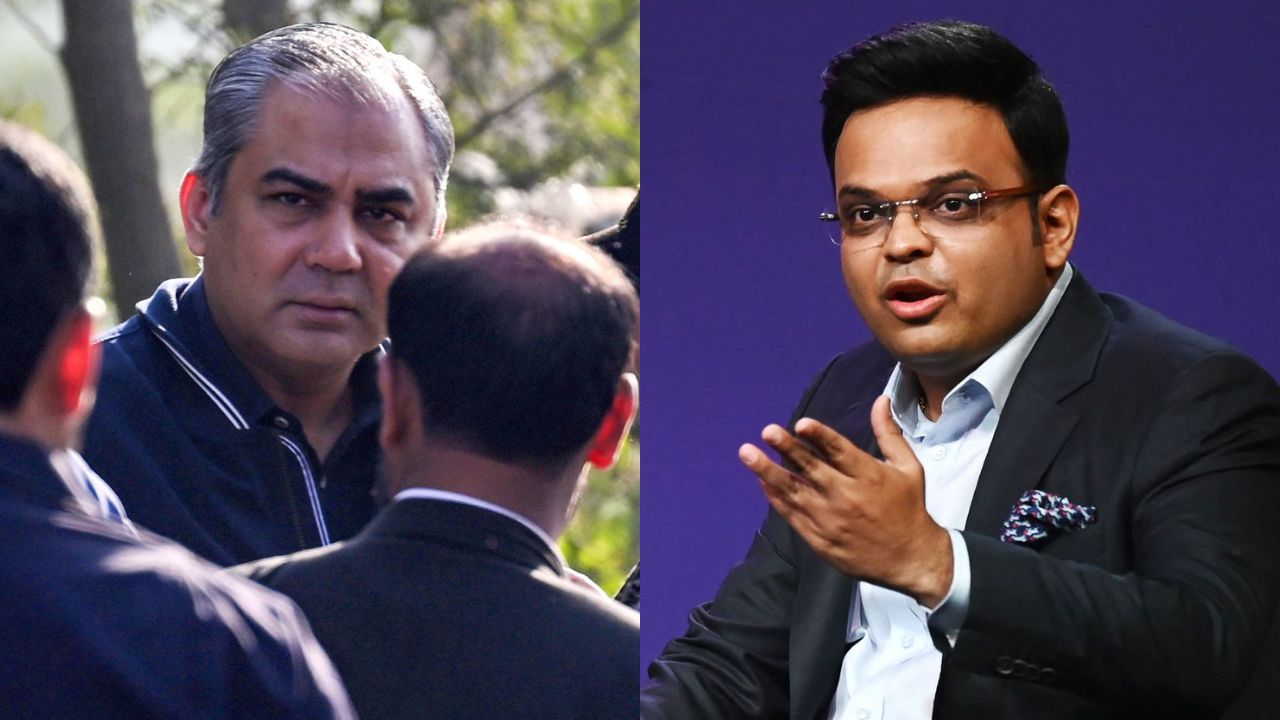
The ICC meeting in Ahmedabad is a pivotal gathering for the future of the sport, involving key directors from various cricket boards worldwide. Given his role as PCB Chairman, the presence of Mohsin Naqvi is naturally considered a priority for the ICC. However, the PCB has officially confirmed that while Naqvi will participate in the discussions, his attendance will be conducted exclusively via video conference.
This decision contrasts with the expected in-person attendance of representatives from other member nations. By choosing a virtual presence, the PCB aims to fulfill its administrative responsibilities to the ICC while simultaneously signaling its unwavering stance on bilateral travel restrictions between the two countries.
A History of Recent Friction
The current tensions are not isolated but part of a series of events that have marred cricket relations between India and Pakistan. After the Pakistan men’s team visited India for the World Cup in 2023—where they suffered a seven-wicket defeat in Ahmedabad—the PCB had held high expectations that reciprocal travel would occur for the 2025 ICC events. When those expectations were not met, the resulting fallout led to significant operational shifts, including the relocation of matches to venues such as Dubai.
Further complicating the landscape are broader regional issues. Security concerns, cross-border tensions, and various diplomatic snubs have contributed to a climate where even routine board meetings carry heavy political weight. Instances such as the cancellation of the Women’s Emerging Asia Cup 2025 and controversial gestures during the Men’s Asia Cup have only served to deepen the divide between the two cricketing powers.
ICC’s Agenda in Ahmedabad
Despite the bilateral focus, the ICC meeting holds significant importance for the global future of cricket. Originally slated to be held in Doha, Qatar, the venue was shifted to India due to concerns regarding the volatile situation in West Asia. The meeting’s agenda is packed with critical topics aimed at evolving the game.
Key discussion points include:
- The Future of Test Cricket: A comprehensive review of the World Test Championship (WTC) framework.
- WTC Restructuring: Proposals to potentially divide the WTC into two tiers of six teams each, a move designed to eliminate lopsided results and increase competitiveness.
- Expansion Aspirations: Evaluating the inclusion of emerging nations such as Ireland, Afghanistan, and Zimbabwe into the fold of top-tier Test cricket.
As the ICC prepares for its Annual General Meeting later this year in Edinburgh, the decisions made in Ahmedabad will likely set the tone for the next cycle of international cricket. For the PCB, the challenge remains to strike a balance between its diplomatic posture and its role as a key stakeholder in the global game. As the cricket world watches, the virtual participation of Mohsin Naqvi will be monitored closely, marking another chapter in the intricate and often turbulent history of India-Pakistan cricketing relations.