Virat Kohli Slams Excessive IPL Media Coverage: The Need for Player Privacy
The Changing Face of IPL Coverage
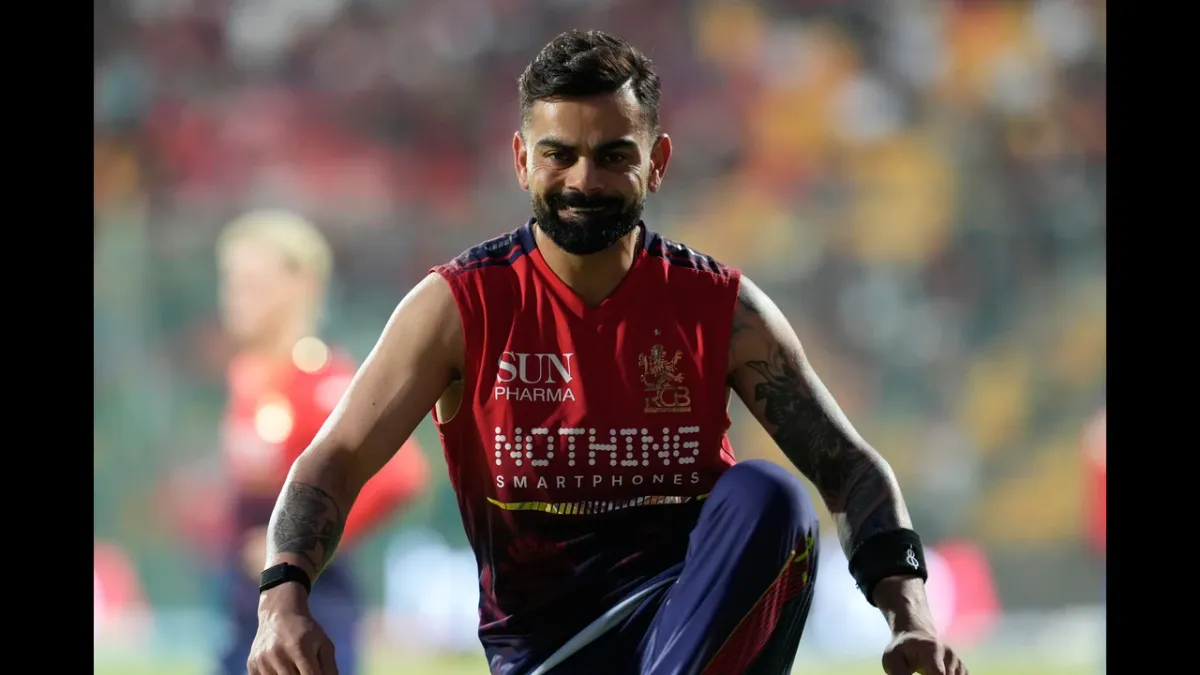
The Indian Premier League has evolved from a simple cricket tournament into a global entertainment juggernaut. As franchises scramble to increase their digital footprint and fan engagement, the role of social media teams has become paramount. However, this shift toward a ‘content-first’ culture has sparked a significant debate regarding the boundaries between public engagement and player privacy. Virat Kohli, one of the most recognizable figures in world cricket, has recently taken a stand against this relentless digital surveillance.
The Weight of Constant Surveillance
For a player of Kohli’s stature, the pressure is immense. Beyond the demands of international cricket and the IPL, he faces a level of public scrutiny that few athletes can relate to. To maintain a sense of normalcy, the veteran cricketer has famously opted to reside in London, only returning to India for professional commitments. Despite these efforts to carve out a private life, the intrusive nature of modern digital teams has made it increasingly difficult to find peace, even within the confines of a training ground.
In a recent appearance on the RCB podcast, Kohli detailed the discomfort of being followed by cameras during practice sessions. ‘When you go out for practice, there are six cameras following you. It is not a comfortable feeling,’ he noted. The essence of professional sport is the ability to experiment, fail, and refine one’s craft in private. Kohli argues that when every movement is captured, the organic nature of preparation is lost. Athletes become self-conscious, fearing that their practice methods will be dissected and judged before they even step onto the field for a match.
The Invasion of Personal Space
The frustration isn’t merely about cameras on the field; it extends to the most basic human interactions between teammates and peers. Kohli shared a telling anecdote involving his friend and fellow cricketer, Kane Williamson. During a conversation, a robotic camera device—referred to as ‘Champak’—began interfering with their private discussion. For Kohli, the inability to speak freely with a colleague without the looming threat of being recorded highlights how far the industry has drifted toward prioritizing content over human connection.
Establishing Boundaries for Player Welfare
Kohli is not advocating for the end of digital media; he acknowledges that fan engagement is a vital component of the sport’s growth. However, he is calling for a more sustainable, regulated approach. The core of his argument is simple: there must be a line drawn. Digital teams and tournament officials need to incorporate player comfort into their operational models. Before a camera is deployed, the consent and mental state of the athlete should be the primary consideration.
Focusing on the Game
Despite the off-field distractions, Kohli’s commitment to his performance remains unwavering. Currently competing in the IPL 2026 season, he continues to demonstrate his legendary status. With over 14,000 runs in the shortest format and a staggering nine centuries in tournament history, his focus on the game is as sharp as ever. Having already crossed the 400-run mark this season, he remains a frontrunner for the Orange Cap.
The Royal Challengers Bengaluru, under the leadership of Rajat Patidar, have successfully reached the playoffs. As the team pushes for a second consecutive title, the conversation initiated by Kohli serves as a necessary reminder to the broadcasting and digital arms of the league: the spectacle of cricket cannot come at the expense of the players who make the game possible. It is time for a balance that respects the athlete’s right to work, breathe, and communicate without being viewed exclusively through a lens.
- Respect the process: Training sessions should remain a space for unrecorded experimentation.
- Establish clear regulations: Leagues must define ‘no-go’ zones for digital teams.
- Prioritize the athlete: Content creation should never interfere with professional relationships or mental well-being.