Jay Shah Leads ICC Mission to Resolve Sri Lanka Cricket Crisis
A New Chapter for Sri Lankan Cricket
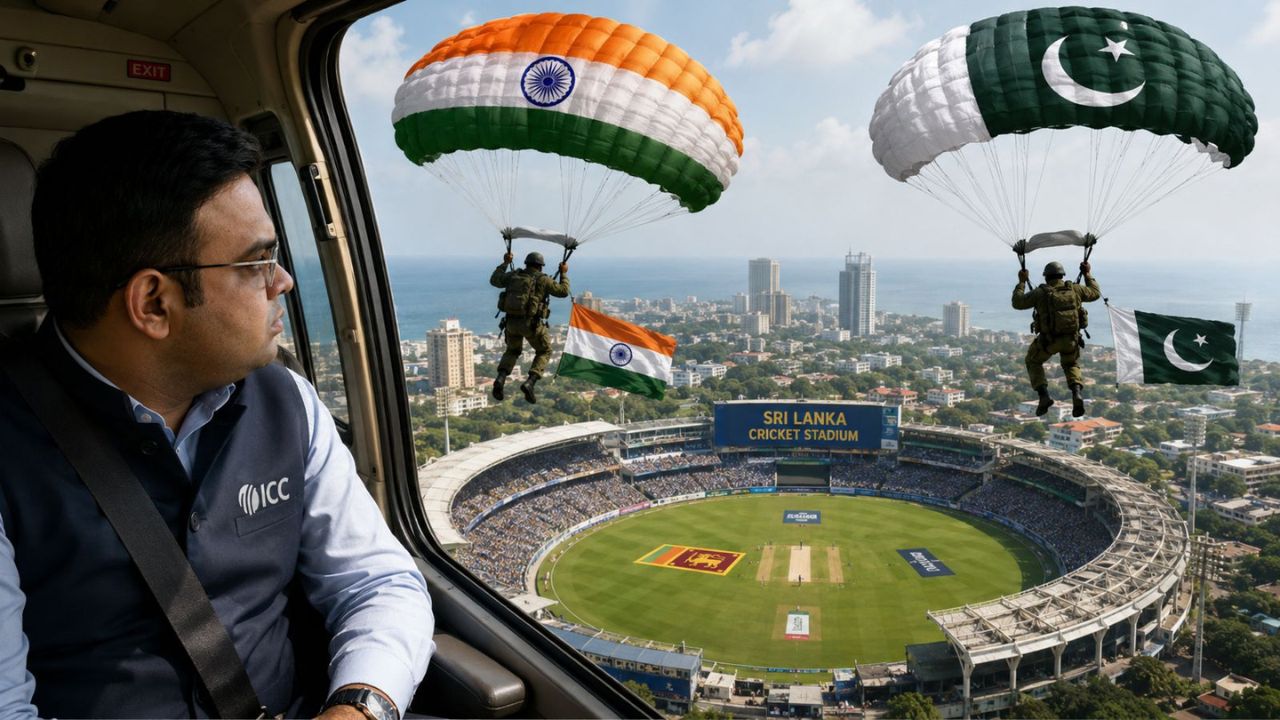
The global cricketing community is witnessing a unique diplomatic effort as the International Cricket Council (ICC) takes decisive action to navigate the turbulent waters of Sri Lanka Cricket (SLC). Following a period of intense administrative instability and a lackluster performance during the T20 World Cup 2026, the apex body under the leadership of Jay Shah has dispatched a high-level delegation to Colombo. This mission is designed to restore order and establish a sustainable path forward for the sport in the island nation.
The Catalyst: A Disastrous World Cup Exit
The urgency of this intervention stems from Sri Lanka’s premature exit from the 2026 T20 World Cup. Despite being co-hosts of the tournament, the team led by Dasun Shanaka suffered a string of consecutive defeats in the Super 8 stage, failing to progress to the semifinals. The performance drew sharp criticism from fans and stakeholders alike, highlighting deep-seated issues within the national setup.
The aftermath of the tournament was swift and severe. Head coach Sanath Jayasuriya stepped down from his position, and the Sri Lankan government initiated a formal probe into the reasons behind the team’s failure. This led to a high-stakes meeting between Sri Lankan President Anura Kumara Dissanayake and Shammi Silva, the then-president of SLC, ultimately resulting in Silva’s resignation.
Government Intervention and the Transformation Committee
Following Silva’s departure, the Sri Lankan government, led by Sports Minister Sunil Kumara Gamage, moved to form an interim committee to oversee cricketing affairs. This panel, dubbed the ‘Cricket Transformation Committee,’ includes prominent figures in the sport, such as former captains Kumar Sangakkara, Sidath Wettimuny, and Roshan Mahanama. Opposition politician Eran Wickremaratna was appointed to lead the nine-member group, tasked with implementing structural reforms to ensure fairness and stability at the grassroots level.
The ICC’s Diplomatic Balancing Act
The involvement of the Sri Lankan government has created a complex situation for the ICC. Historically, the ICC maintains a strict policy against government interference in the internal affairs of its member boards. However, the unique legal framework in Sri Lanka—specifically the sports law enacted in 1973—permits the government to dissolve existing administrative panels and establish interim governance.
To navigate this, the Jay Shah-led ICC has formed a high-level task force that bridges the geopolitical divide. In a remarkable show of regional cooperation, an official from the Board of Control for Cricket in India (BCCI) has been paired with ICC Deputy Chairman Imran Khawaja, an administrator of Pakistan origin. This collaboration underscores the ICC’s commitment to prioritizing the integrity of the game over political tensions.
Restoring Stability and Future Governance
The delegation’s visit is critical as it seeks to address concerns raised by the Sri Lankan Sports Ministry regarding the lack of consultation during the formation of the interim committee. The ICC delegation has already begun its work, with Imran Khawaja arriving in Sri Lanka to assess the situation firsthand. The objective is to ensure that the transition to a new administrative structure complies with international standards.
As the dialogue continues, the Sri Lankan government has reportedly provided assurances to the ICC that the next iteration of the SLC board will be determined through democratic elections. This move is expected to appease the international body and provide a roadmap for long-term stability. The Cricket Transformation Committee is now under the watchful eye of the ICC, which aims to ensure that the proposed structural reforms lead to genuine, lasting improvement for the sport in Sri Lanka.
For cricket enthusiasts, this mission represents a hopeful sign that the governance of the sport can be depoliticized and refocused on the development of talent. As the ICC delegation works to reconcile local mandates with global standards, the hope remains that the passion and history of Sri Lankan cricket will once again thrive under a stable and transparent administration.